
Community Resources
How to Plan a Food Drive
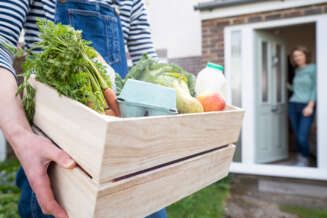
Nearly 10% of Bucks County families face food insecurity, and food drives are a vital way to help. Getting started is easy: form a committee, gather collection bins, pick a drop-off spot, and set a timeline. Register your drive with Elizabeth Zbinden, Food Program Manager, at 267-733-0529 (ext. 316) or ezbinden@bcoc.org, and schedule delivery at least 48 hours in advance (pick-up service available if needed). Drives run year-round, but January through September is ideal since fall is BCOC’s busiest season.
Focus on high-demand staples like peanut butter, canned meats, beans, cereal, and rice—skip expired, opened, or glass items. Fresh perishables are welcome, and monetary donations stretch further thanks to BCOC’s purchasing power. Once you’re underway, share your progress with #BCOCProud and #FeedingOurCommunity, tag BCOC on social media, and send photos to foodprogram@bcoc.org.
Food and Nutrition Programs
SNAP (food stamps):
SNAP offers nutrition assistance to millions of eligible, low-income individuals and families and provides economic benefits to communities
National School Lunch Program:
The National School Lunch Program is a federally assisted meal program operating in public and nonprofit private schools and residential childcare institutions. It provides nutritionally balanced, low-cost or free lunches to children each school day. The program was established under the National School Lunch Act, signed by President Harry Truman in 1946.
Compass Link:
Compass is the PA website where families can apply for Free or Reduced Priced School Meals. Information transfers can be transferred to their school district if the student changes schools.
WIC:
WIC is a federally funded program that provides healthy supplemental foods and nutrition services for pregnant women, postpartum and breastfeeding women, and/ or infants and children under age five in a supportive environment.
PA Nutrition Network:
The Pennsylvania Nutrition Education Network (PA NEN) promotes healthy food choices to low-income Pennsylvanians of all ages, and encourages individuals and families to adopt positive, sustainable diet-related behaviors through the development and support of public and private partnerships.
The Food and Nutrition Information Center:
A leader in food and human nutrition information dissemination since 1971. The Center provides credible, accurate, and practical resources for nutrition and health professionals, educators, government personnel, and consumers.
Diabetes Meal Plan:
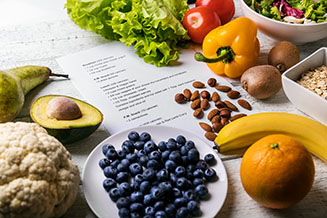
A guide that recommends types of foods to avoid, meals to eat, and snack times for people with diabetes.
Trinity Health Farmbox
The Trinity Health Farmbox program (formerly Farm to Families) provides fresh, healthy food at a low cost. Orders can be placed online or by phone for in-person pickup in Lower Bucks. Box sizes range from $10 to $15 and include a variety of fruits and vegetables. Boxes are $5 for SNAP participants. Eggs, yogurt, and other items are also available for purchase.